DR Congo
In eastern Congo, families have fled again and again, and now face Ebola too.
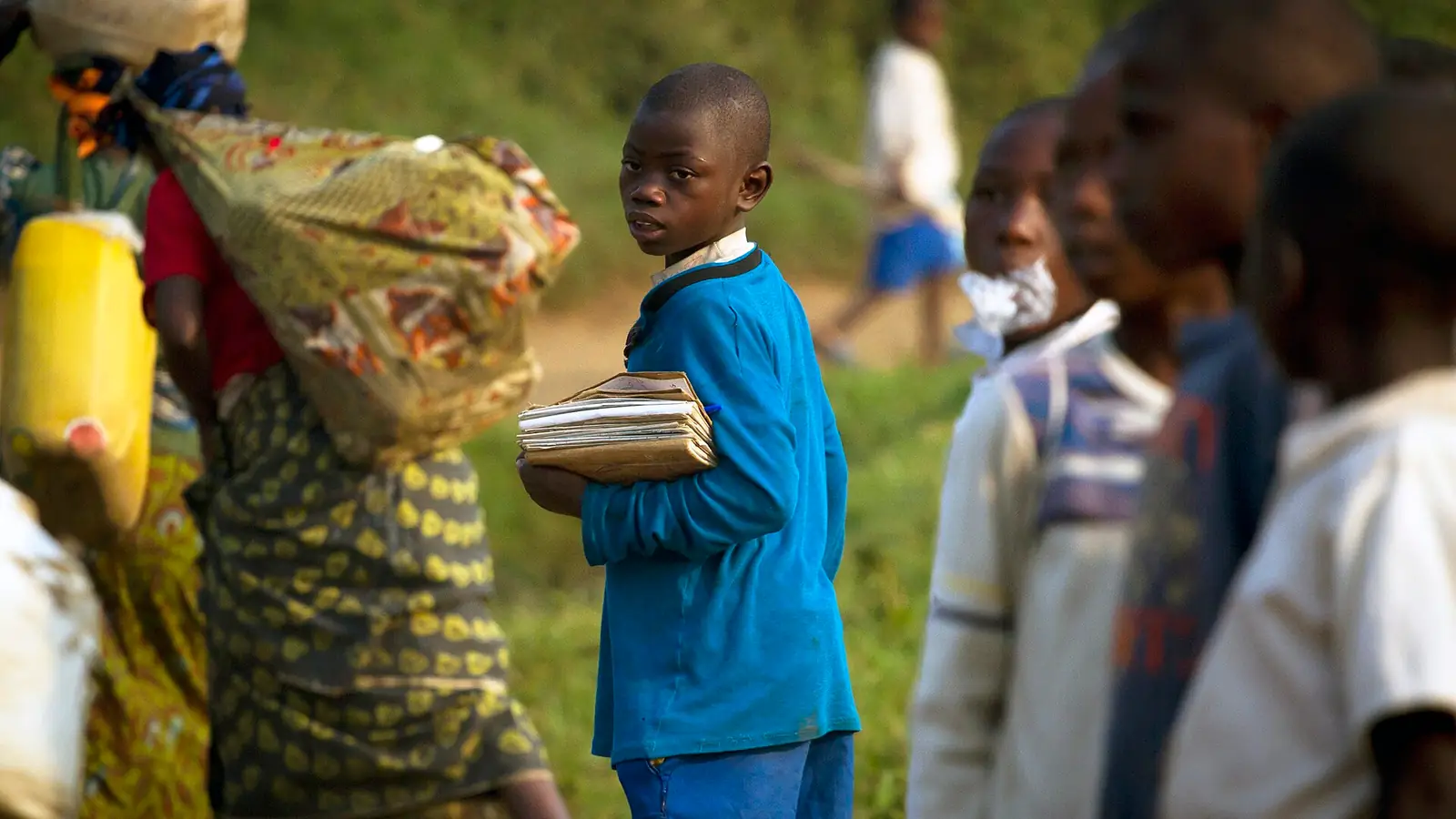
In numbers
- confirmed Ebola cases, including 4,205 deaths, as of 6 October 2026
- 8,728confirmed Ebola cases, including 4,205 deaths, as of 6 October 2026WHO Disease Outbreak News, 8 Oct 2026
- people need life-saving assistance and protection; funding allows the 2026 plan to target only 7.3 million
- Nearly 15 millionpeople need life-saving assistance and protection; funding allows the 2026 plan to target only 7.3 millionOCHA, DRC 2026 response plan, 28 Jan 2026
- people displaced by conflict and violence in Ituri province alone
- 1.1 million+people displaced by conflict and violence in Ituri province aloneUN News, citing OCHA, 1 Oct 2026
What is happening
Fighting in the east keeps forcing families to flee, while an Ebola outbreak with more than 8,700 confirmed cases reaches crowded displacement camps.
Eastern Democratic Republic of the Congo has faced decades of violence between armed groups. Renewed fighting in North and South Kivu keeps forcing families from their homes, often more than once, and millions of people are displaced across the country.
In May 2026 an outbreak of Ebola caused by the Bundibugyo virus was declared in Ituri province. By 6 October WHO had counted 8,728 confirmed cases, including 4,205 deaths, in 64 health zones across seven provinces. Responders struggle to reach patients because of insecurity; in October a transit centre for Ebola patients burned down in a camp in Bunia sheltering nearly 19,000 displaced people.
People need food, clean water, shelter and health care, and children and women face serious risks of violence. Medical organisations already working in the region are best placed to respond.
How it got here
- 1990s
Decades of conflict begin in the east, involving dozens of armed groups.
- Jan 2025
M23 rebels take Goma, the largest city in the east, and then Bukavu in February.
- Jun 2025
DR Congo and Rwanda sign a peace agreement in Washington, but fighting continues.
- 2026
Renewed clashes in North and South Kivu displace tens of thousands more people.
- May 2026
An Ebola outbreak caused by the Bundibugyo virus is declared in Ituri; WHO declares it a global health emergency.
- Oct 2026
WHO counts 8,728 confirmed Ebola cases, including 4,205 deaths, across seven provinces.
Who is most affected
Displaced families
Millions live in camps or with host families, often after fleeing more than once.
Women and girls
Sexual violence has been widely reported throughout the conflict.
Children
Disease, hunger and recruitment by armed groups put children at high risk.
Where your donation helps in DR Congo
These organisations are working in DR Congo now. Any one of them is a good choice.
Doctors Without Borders (MSF)
Emergency medical care in conflict zones
Independent medical humanitarian organisation running hospitals and clinics where needs are greatest.
UNICEF
Children: nutrition, vaccines, water and schooling
The UN agency for children, treating malnutrition and providing safe water, health care and education.
International Rescue Committee
Health, safety and recovery for people affected by conflict
Helps people whose lives have been shattered by conflict and disaster to survive and rebuild.
More trusted organisations
UNHCR, the UN Refugee Agency
Shelter and protection for refugees and displaced families
Protects people forced to flee, providing shelter, registration, cash help and essential supplies.
World Food Programme
Emergency food and nutrition
The world’s largest humanitarian organisation fighting hunger, delivering food and cash in crises.
Already donated?
Questions about giving for DR Congo
What is happening with Ebola?
An outbreak caused by the Bundibugyo virus was declared in Ituri in May 2026. By 6 October WHO had counted 8,728 confirmed cases, including 4,205 deaths, in 64 health zones across seven provinces. There is no licensed vaccine for this strain, and fighting and displacement make tracing and treatment difficult. Medical organisations such as MSF and UNICEF are supporting the response.
Why don’t we hear more about Congo?
Aid agencies often call it a neglected crisis: the needs are huge, but it receives far less media attention and funding than its scale would suggest.
Which charity helps most?
MSF provides emergency medical care, UNICEF focuses on children’s health and nutrition, and the IRC supports health and protection, especially for women and girls.
Can’t donate right now?
Sharing reliable information still helps. Attention brings funding, and funding brings aid. More ways to help.
Keep reading
Eastern Congo: fleeing fighting, now facing Ebola
In eastern DR Congo, families displaced again and again now face an Ebola outbreak in crowded camps. Why this neglected crisis needs attention.
Read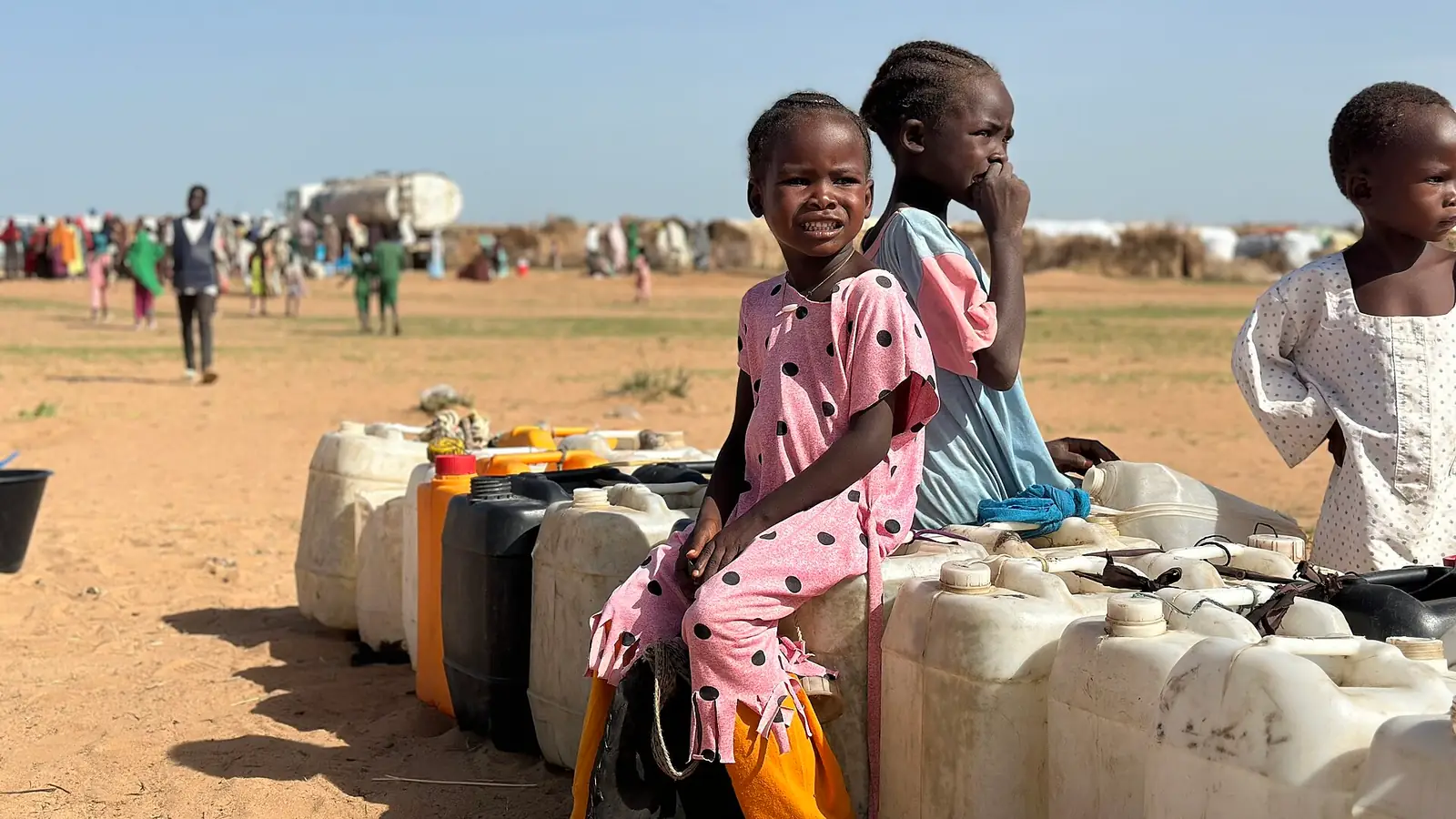
Sudan: drought and war push Darfur and Kordofan towards famine
The IPC warns the risk of famine is growing in Sudan, as drought covers more than half the country and children in some camps are past the famine threshold.
Read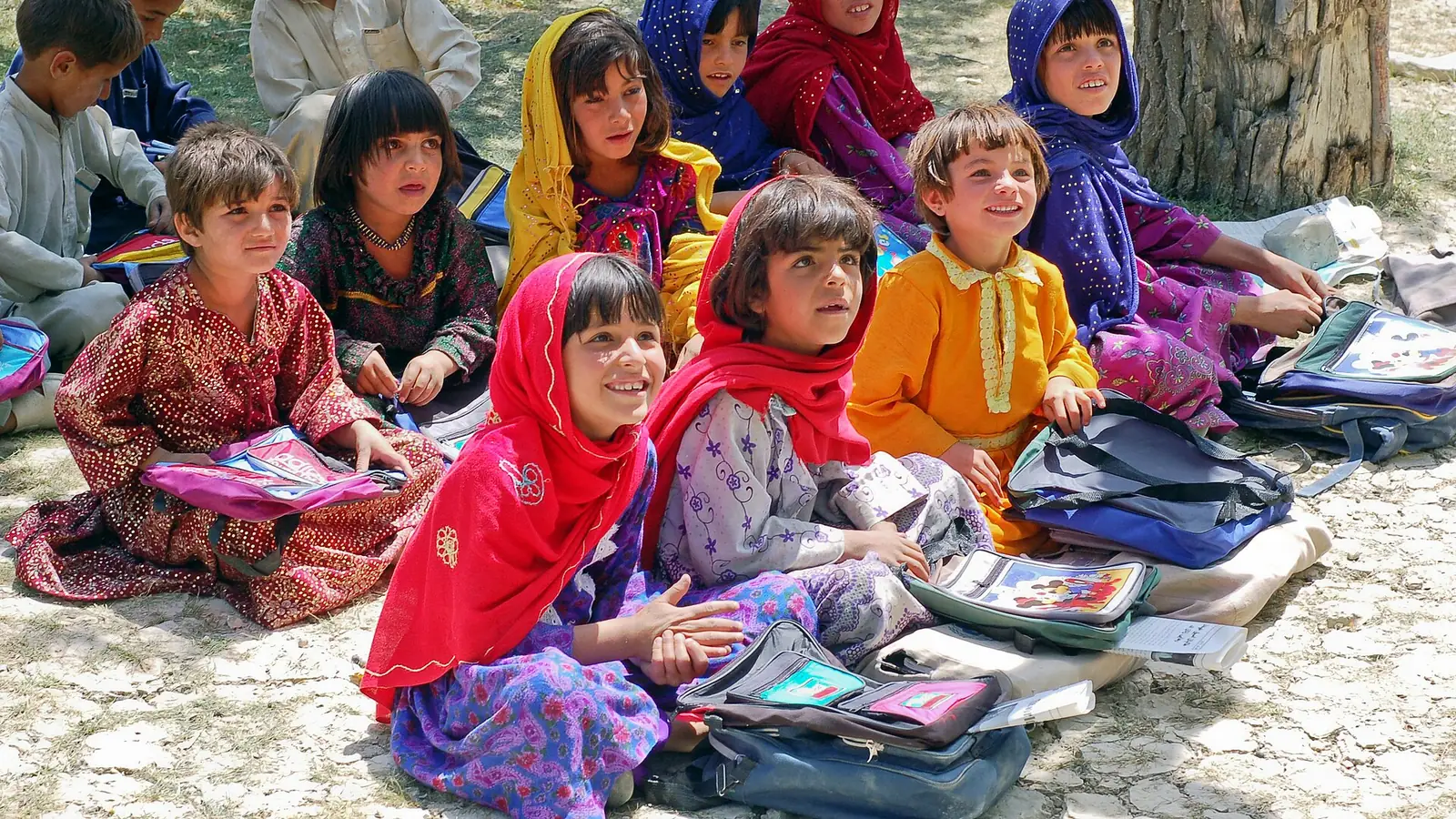
Forced home: Afghanistan's returnees face drought, hunger and shrinking aid
More than 5 million Afghans have returned from Iran and Pakistan since late 2023, many with nothing, to a country already facing record hunger.
ReadSources and live updates
- WHO Disease Outbreak News (8 Oct 2026)
- OCHA, DRC 2026 response plan (28 Jan 2026)
- UN News, citing OCHA (1 Oct 2026)
- OCHA Democratic Republic of the Congo (16 Oct 2026)
- WHO Disease Outbreak News: Ebola (8 Oct 2026)
Figures change quickly. We quote each number from the named source on the date shown and review these pages regularly. Spotted something out of date? Tell us.