Rohingya refugees
Stateless and stranded: a million people living on aid in one of the world’s largest refugee settlements.
In numbers
- Rohingya refugees in Bangladesh
- 1.2 millionRohingya refugees in BangladeshUN News, citing UNHCR, 30 Jun 2026
- new arrivals since 2024
- 150,000new arrivals since 2024UN News, citing UNHCR, 30 Jun 2026
- of UNHCR’s Bangladesh operation funded, as of 31 August 2026
- 45%of UNHCR’s Bangladesh operation funded, as of 31 August 2026UNHCR Bangladesh data portal, 31 Aug 2026
What is happening
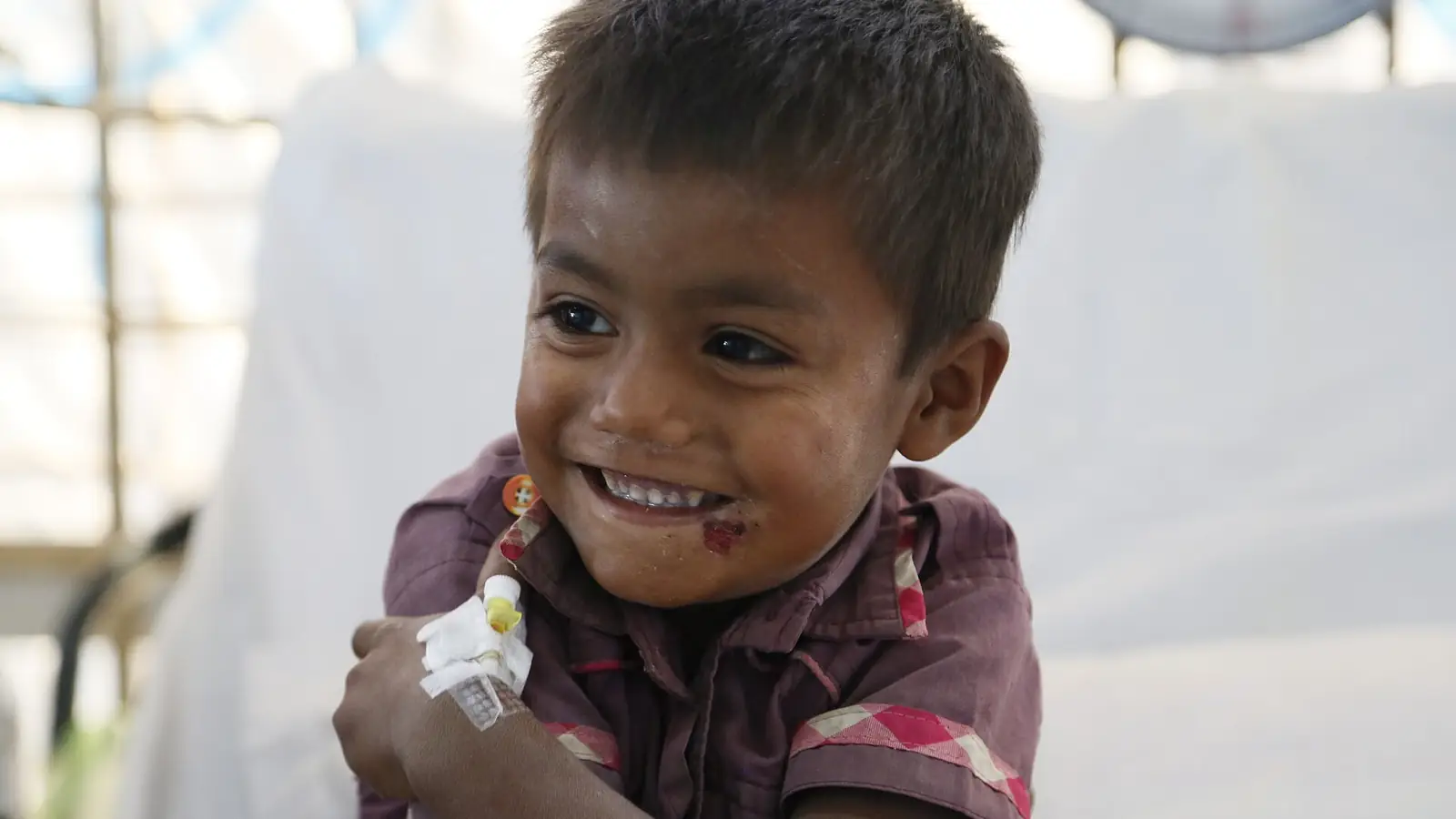
About 1.2 million Rohingya live in crowded camps in Bangladesh, where funding cuts have closed health clinics.
The Rohingya, a mostly Muslim minority from Myanmar, have fled persecution and violence for decades, most of them in 2017. Around 1.2 million now live in Bangladesh, mainly in the camps of Cox’s Bazar, among the most crowded in the world.
People in the camps depend almost entirely on aid for food, water and health care. Funding cuts in 2025 and 2026 have forced many clinics to close, and about 150,000 new refugees have arrived since 2024 as fighting continues in Myanmar.
The 2026 UN appeal was cut back to the minimum needed to keep life-saving help going, and even that is far from fully funded.
How it got here
- 1982
Myanmar’s citizenship law leaves most Rohingya effectively stateless.
- Aug 2017
A military crackdown in Rakhine State drives more than 700,000 Rohingya into Bangladesh.
- Nov 2019
The Gambia brings a genocide case against Myanmar at the International Court of Justice.
- Feb 2021
Myanmar’s military seizes power in a coup.
- 2024–2026
Renewed fighting in Rakhine drives about 150,000 new arrivals into Bangladesh.
Who is most affected
Children
About half of the refugees are children, many of them born in the camps.
Families
People depend almost entirely on aid for food, water and health care.
Women and girls
Overcrowding and shortages raise the risks of violence, trafficking and early marriage.
Where your donation helps in Rohingya refugees
These organisations are working in Rohingya refugees now. Any one of them is a good choice.
UNHCR, the UN Refugee Agency
Shelter and protection for refugees and displaced families
Protects people forced to flee, providing shelter, registration, cash help and essential supplies.
BRAC
Services in the Rohingya camps
Bangladesh-founded development organisation running health, water and learning services in Cox’s Bazar.
Doctors Without Borders (MSF)
Emergency medical care in conflict zones
Independent medical humanitarian organisation running hospitals and clinics where needs are greatest.
More trusted organisations
World Food Programme
Emergency food and nutrition
The world’s largest humanitarian organisation fighting hunger, delivering food and cash in crises.
Islamic Relief Worldwide
Emergency relief, food and water
Faith-inspired relief and development charity working in more than 40 countries.
Already donated?
Questions about giving for Rohingya refugees
Why can’t the Rohingya go home?
Fighting continues in Rakhine State, and the conditions for a safe, voluntary and dignified return, including citizenship rights, are not in place.
What happened to funding?
Aid cuts in 2025 and 2026 forced clinics to close. UNHCR’s Bangladesh operation was only 45% funded at the end of August 2026.
Which charity helps in the camps?
UNHCR leads the refugee response, BRAC runs health, water and learning services, and MSF runs hospitals in the camps.
Can’t donate right now?
Sharing reliable information still helps. Attention brings funding, and funding brings aid. More ways to help.
Keep reading
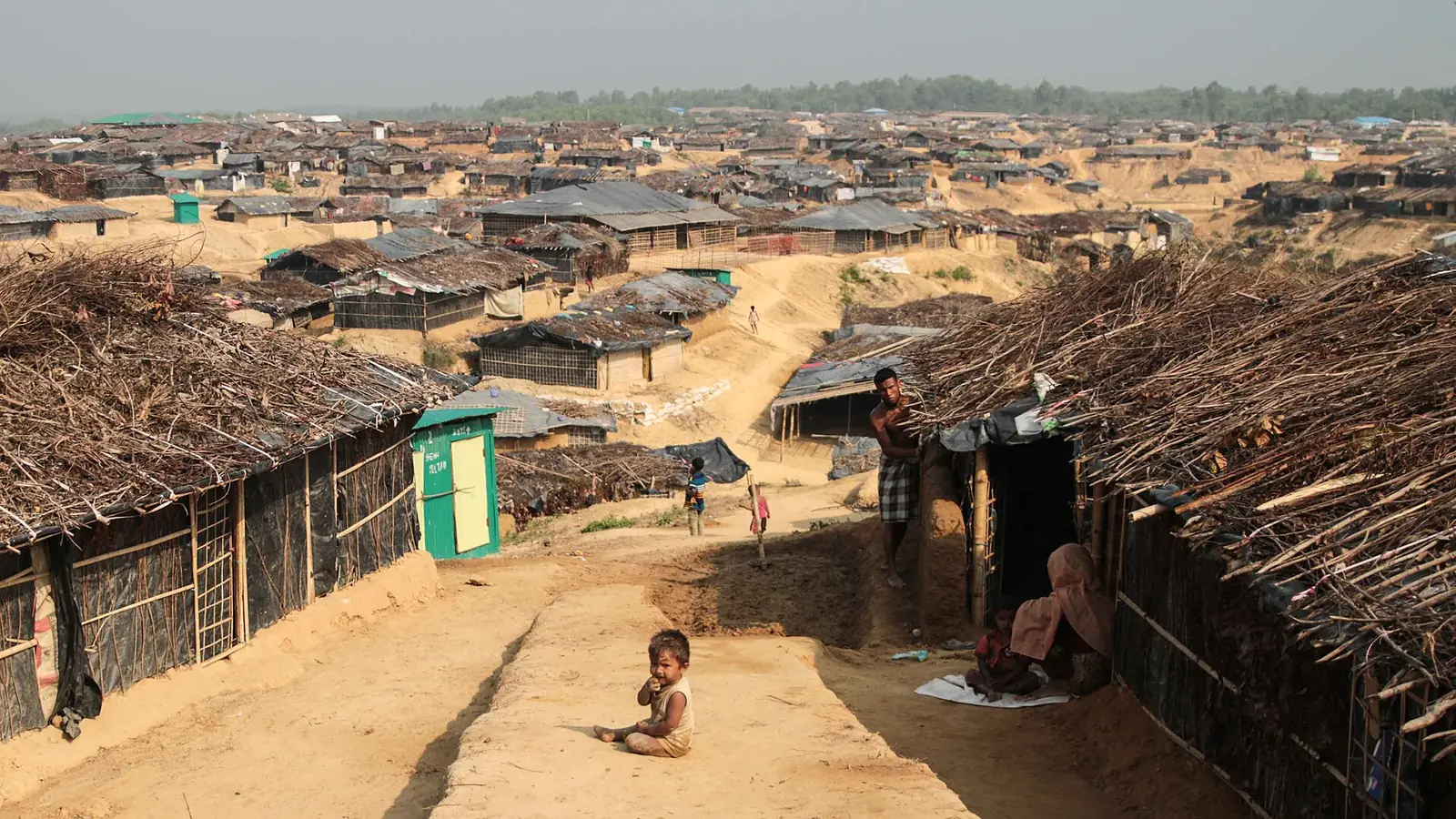
Who are the Rohingya, and why are a million of them living in camps?
A stateless people driven from Myanmar, the Rohingya now depend on shrinking aid in Bangladesh. A short guide to how it happened and what they need.
Read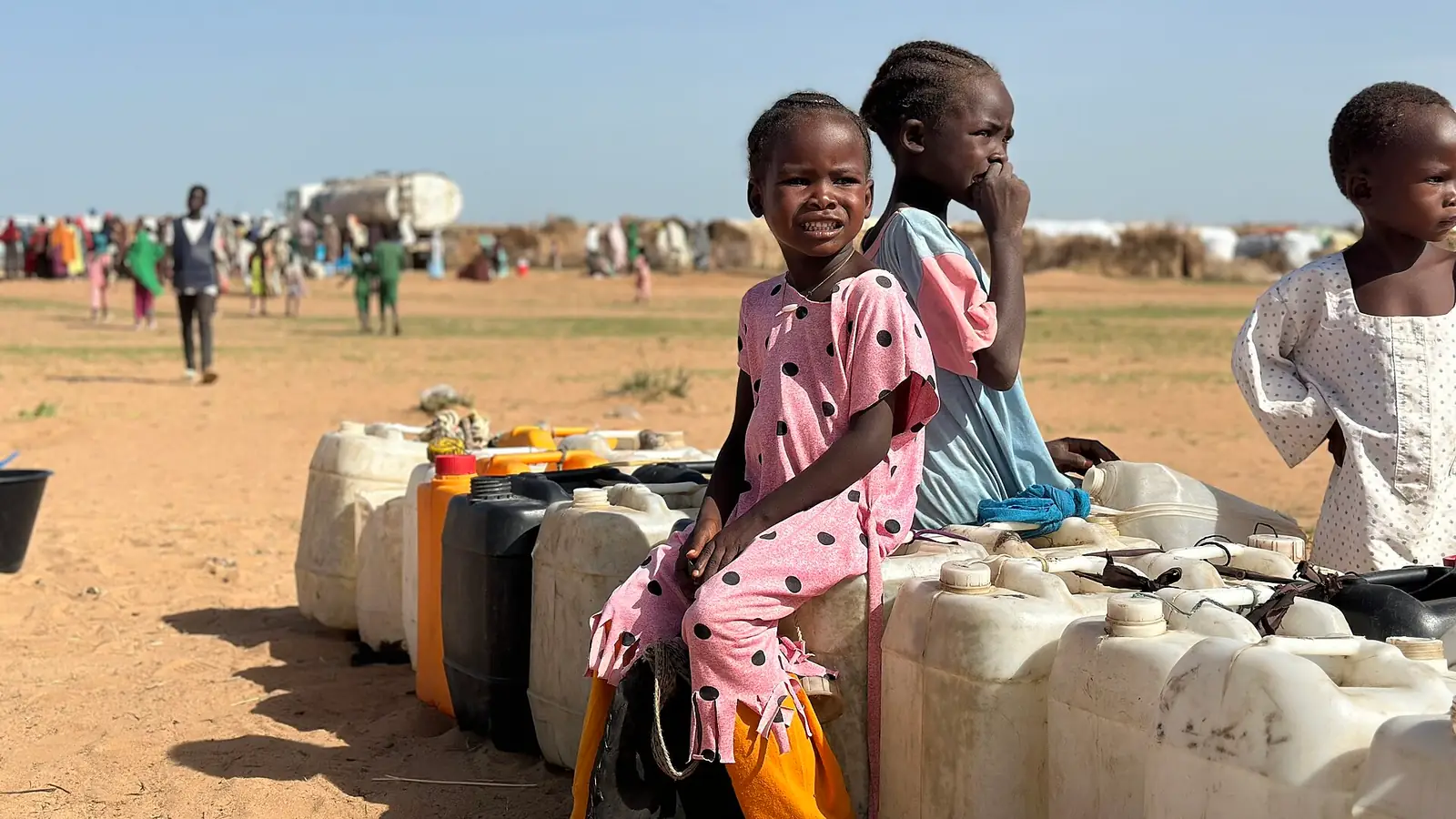
Sudan: drought and war push Darfur and Kordofan towards famine
The IPC warns the risk of famine is growing in Sudan, as drought covers more than half the country and children in some camps are past the famine threshold.
Read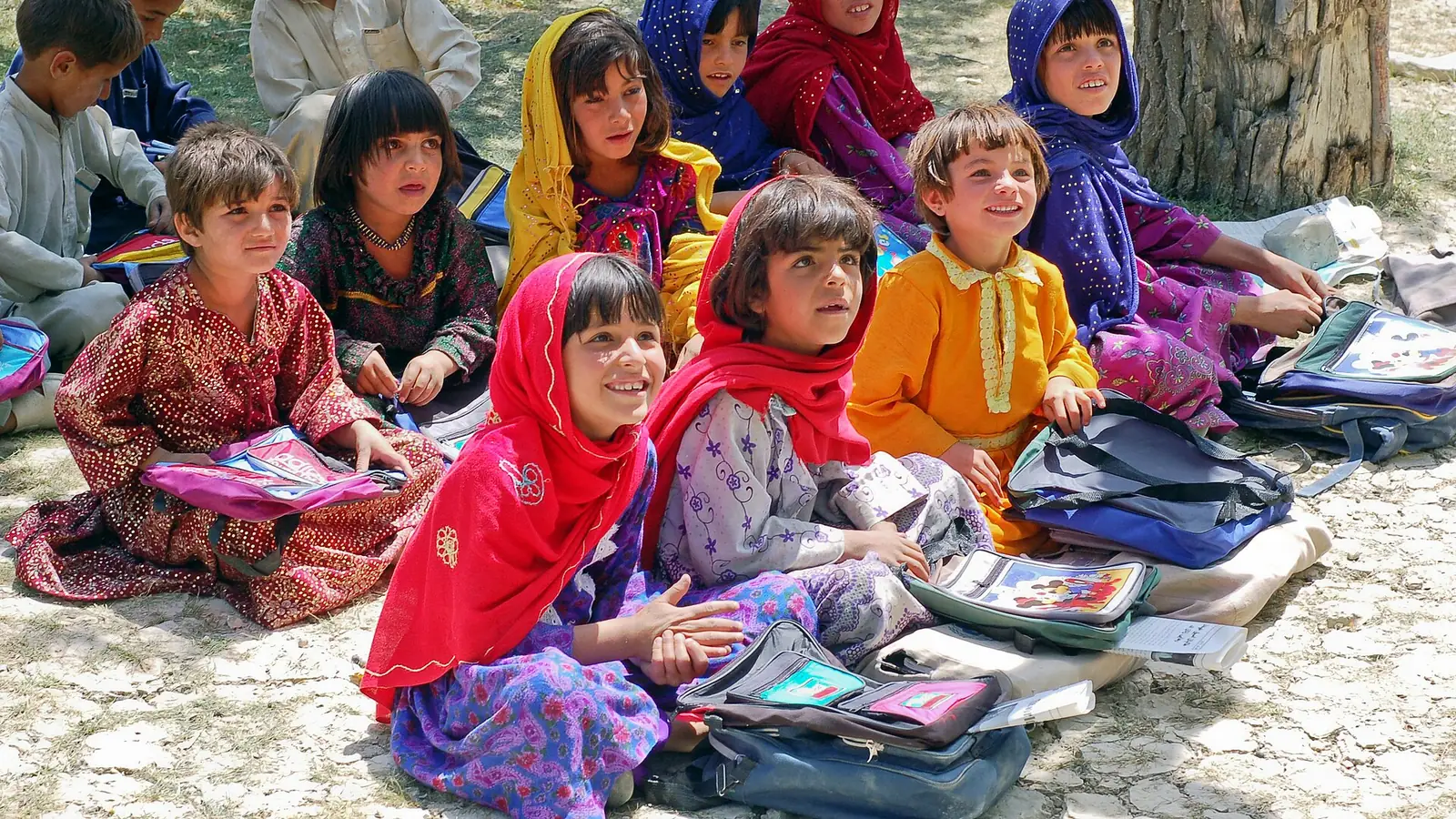
Forced home: Afghanistan's returnees face drought, hunger and shrinking aid
More than 5 million Afghans have returned from Iran and Pakistan since late 2023, many with nothing, to a country already facing record hunger.
ReadSources and live updates
- UN News, citing UNHCR (30 Jun 2026)
- UNHCR Bangladesh data portal (31 Aug 2026)
Figures change quickly. We quote each number from the named source on the date shown and review these pages regularly. Spotted something out of date? Tell us.