Forced home: Afghanistan's returnees face drought, hunger and shrinking aid
More than 5 million Afghans have returned from Iran and Pakistan since late 2023, many with nothing, to a country already facing record hunger.
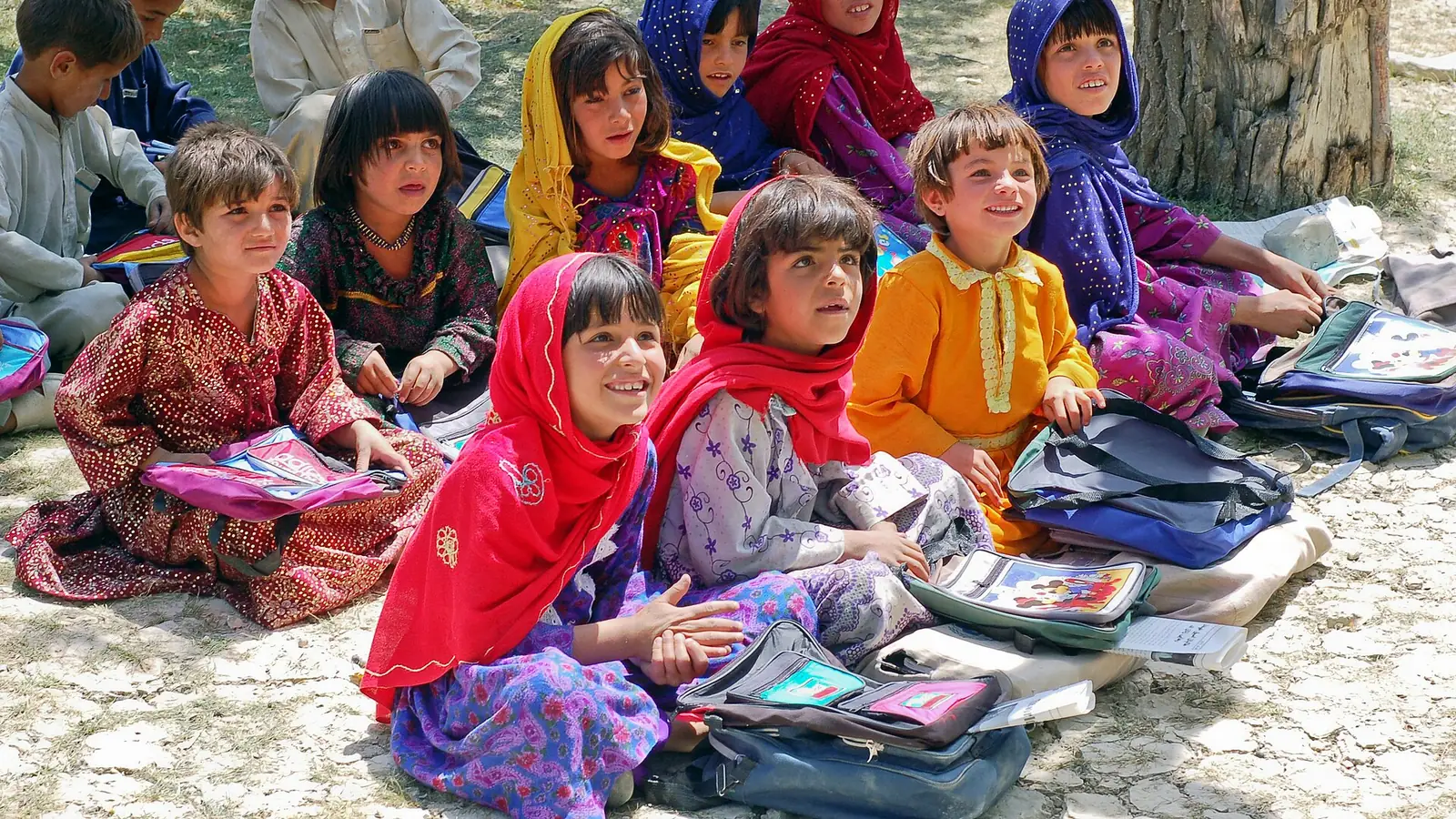
Since late 2023, more than 5.4 million Afghans have returned from Iran and Pakistan, according to UNHCR. Many did not choose to go. They were deported, or pressured to leave after years, sometimes decades, abroad. Many children among them had never lived in Afghanistan at all.
Why so many returns, so fast
In late 2023, Pakistan began deporting undocumented Afghans on a large scale. In 2025, returns from Iran surged as well. Families often arrive at the border with little more than they can carry, having lost homes, jobs and savings.
UN analysis found that 92% of recent returnees said they could not secure the basic necessities of life, compared with 74% of the population nationally.
Arriving in a crisis
Afghanistan was already in deep trouble before these returns. Since the Taliban took control in August 2021, much international aid has been suspended and the economy has shrunk. Girls have been barred from secondary school and university, and women from most work, pushing families deeper into poverty.
On top of that came disasters. A major earthquake in eastern Afghanistan in August 2025 killed more than 2,000 people. Drought has hit large parts of the country. And international aid fell further in 2025.
The result, the UN reported in October 2026, is the highest levels of hunger and acute malnutrition ever recorded: about 15.9 million people face crisis-level hunger or worse, projected to reach nearly 19.2 million this winter, even after a reasonable harvest.
What returnees need
The first needs are basic: food, cash to rent shelter, health care, and in winter warm clothing and fuel. Longer term, families need ways to earn a living in communities that are themselves struggling.
The UN’s 2026 appeal for Afghanistan, and UNHCR’s response for returnees, are badly underfunded.
How you can help
- World Food Programme provides emergency food and cash.
- UNICEF treats malnourished children and supports health and water services.
- Afghanaid, working in Afghanistan since 1983, provides emergency aid and helps rural families rebuild livelihoods.
All of them are on our Afghanistan briefing.