Eastern Congo: fleeing fighting, now facing Ebola
In eastern DR Congo, families displaced again and again now face an Ebola outbreak in crowded camps. Why this neglected crisis needs attention.
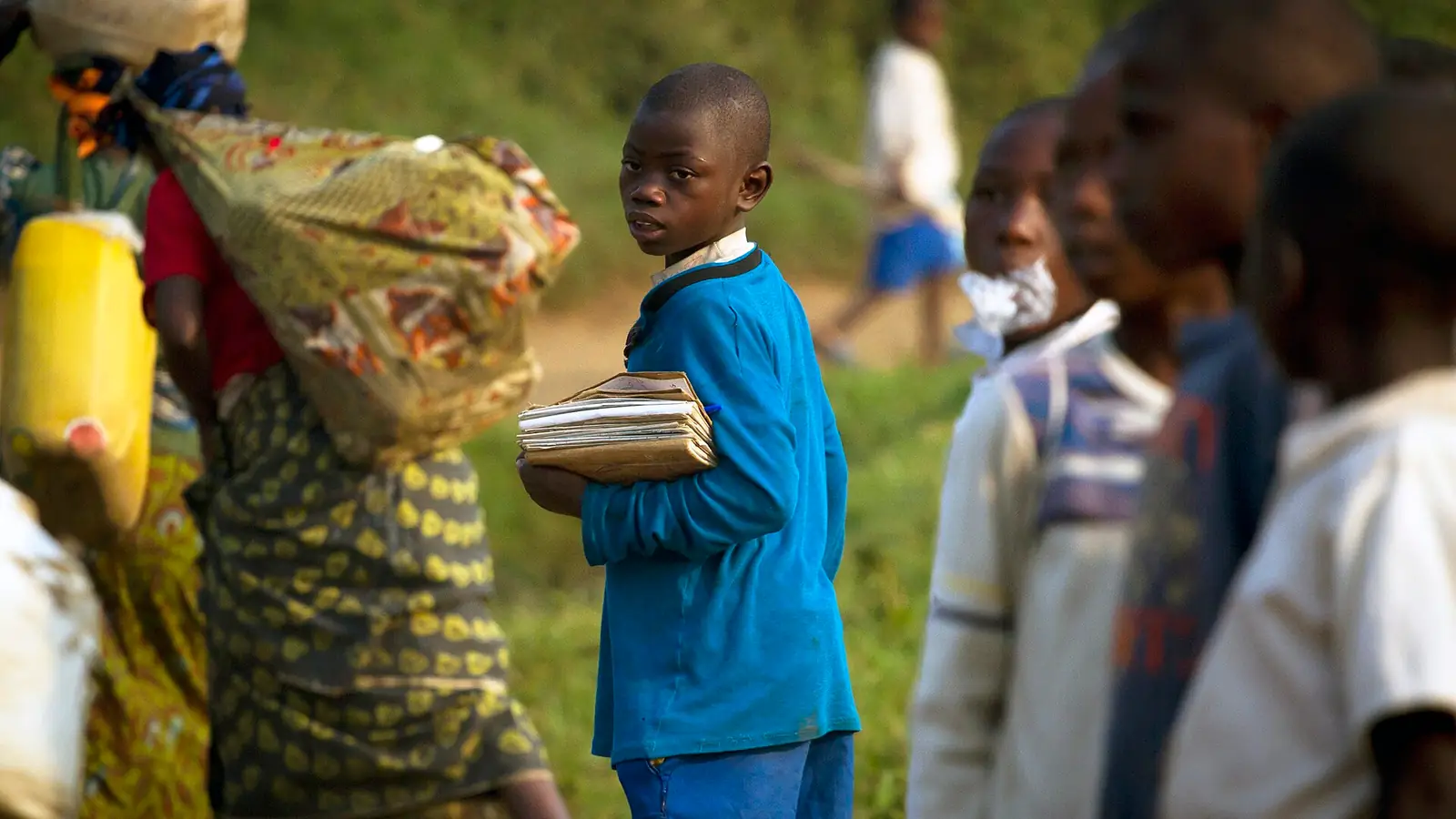
Eastern Democratic Republic of the Congo has known conflict for decades. In 2026, the families caught in it face a double emergency: renewed fighting that keeps forcing them to flee, and an outbreak of Ebola spreading where health care is hardest to provide.
Displaced, again and again
Dozens of armed groups operate in the east. In January 2025, M23 rebels took Goma, the region’s largest city, and then Bukavu. DR Congo and Rwanda signed a peace agreement in June 2025, but fighting has continued.
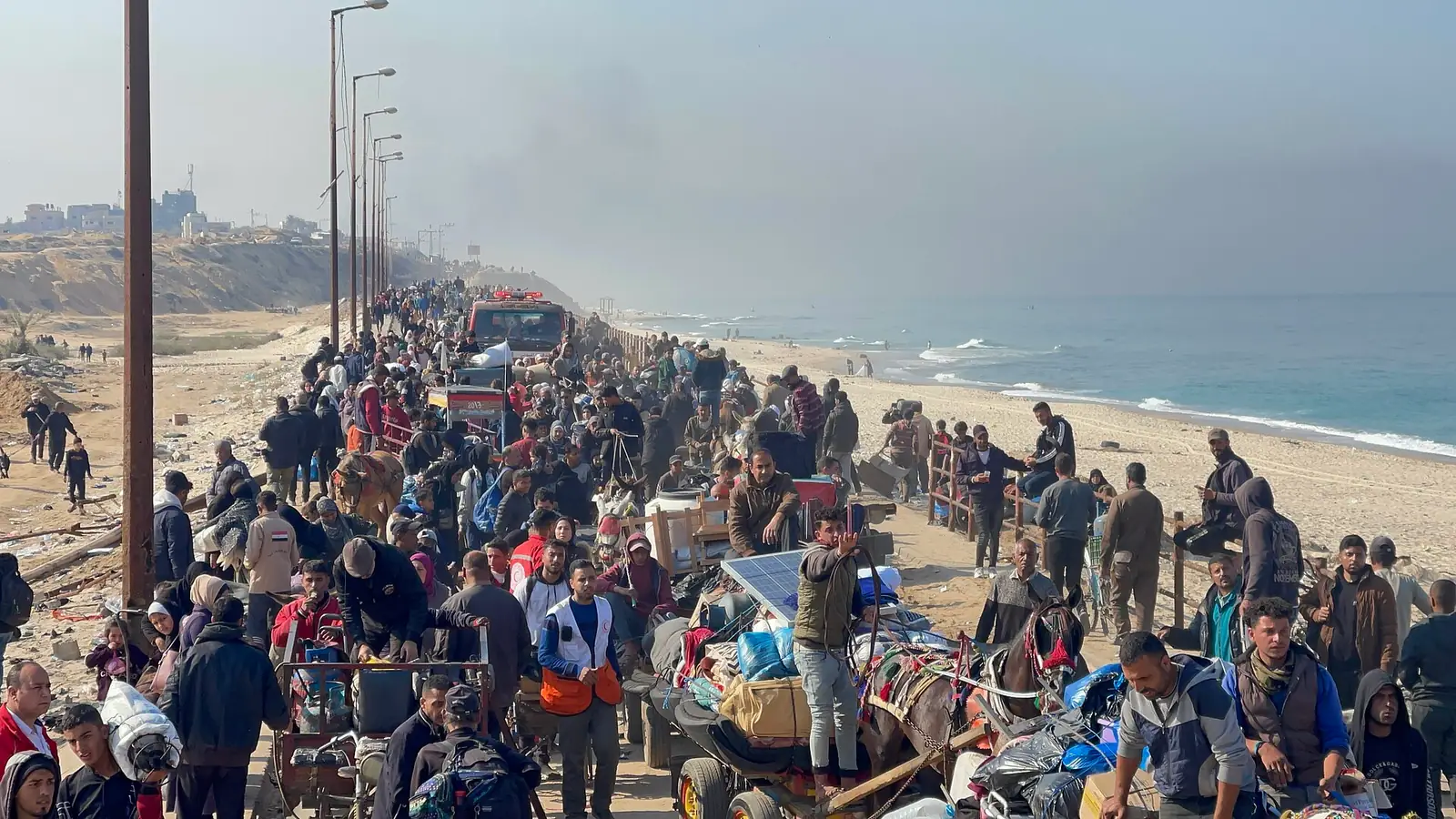
In 2026, renewed clashes in North and South Kivu displaced tens of thousands more people. In Ituri province alone, more than 1.1 million people are displaced by conflict and violence, according to OCHA. Many families have fled several times, losing what little they had rebuilt each time.
Ebola in the camps
In May 2026 an outbreak of Ebola caused by the Bundibugyo virus was declared in Ituri, and WHO declared it a global health emergency. By 6 October, WHO had counted 8,728 confirmed cases, including 4,205 deaths, in 64 health zones across seven provinces. There is no licensed vaccine for this strain. Ebola spreads through contact with the bodily fluids of infected people, and controlling it depends on finding cases quickly, tracing contacts and safely caring for patients.
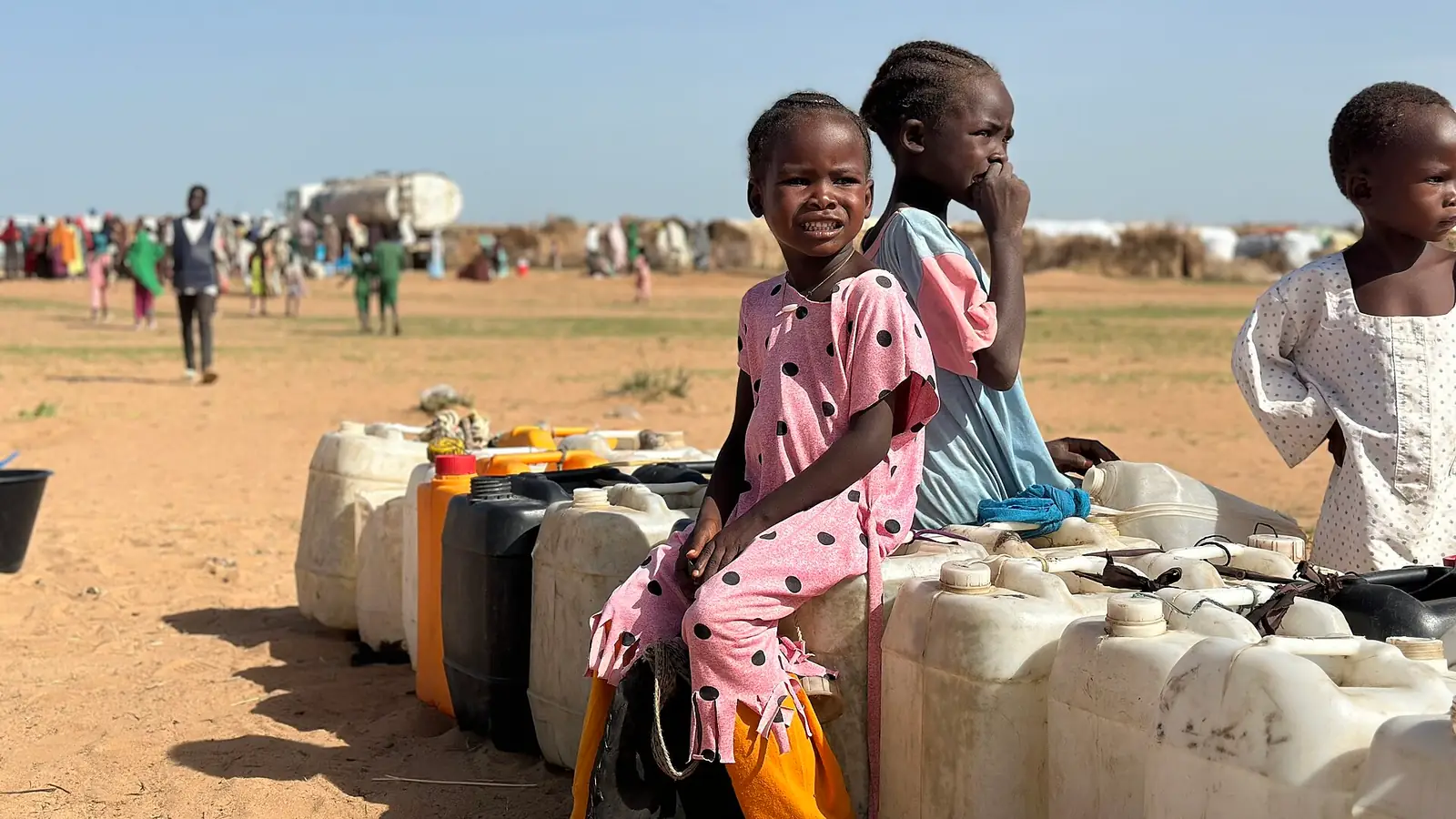
In crowded displacement camps, with insecurity on the roads, that is extremely difficult. In October 2026, a transit centre for Ebola patients burned down at Kigonze camp in Bunia, which shelters nearly 19,000 displaced people. UN agencies have called for urgent humanitarian access.
A neglected crisis
Nearly 15 million people in DR Congo need life-saving assistance and protection in 2026, but with funding falling, the UN plan can target only 7.3 million of them. Yet the crisis receives a fraction of the attention given to others, and aid agencies regularly list it among the world’s most neglected.
Women and girls face serious risks: sexual violence has been widely reported throughout the conflict. Children face disease, hunger and the danger of recruitment by armed groups.
How you can help
- Doctors Without Borders (MSF) provides emergency medical care and has long experience responding to Ebola.
- UNICEF focuses on children’s health, nutrition and protection.
- International Rescue Committee supports health care and protection, especially for women and girls.
All of them are on our DR Congo briefing.
Sources
- UN News: Ebola response faces setback as transit centre burns down (October 2026)
- UN News: DR Congo Ebola emergency (September 2026)
- WHO Disease Outbreak News: Ebola disease caused by Bundibugyo virus (8 October 2026)
- OCHA: DRC humanitarian community forced to prioritise its 2026 response (28 January 2026)
- EU Civil Protection and Humanitarian Aid: DR Congo
- OCHA Democratic Republic of the Congo