Gaza, one year after the ceasefire: what has changed and what has not
The guns are quieter, but most homes are still damaged, families face another winter in tents, and more than half the population still struggles to eat.
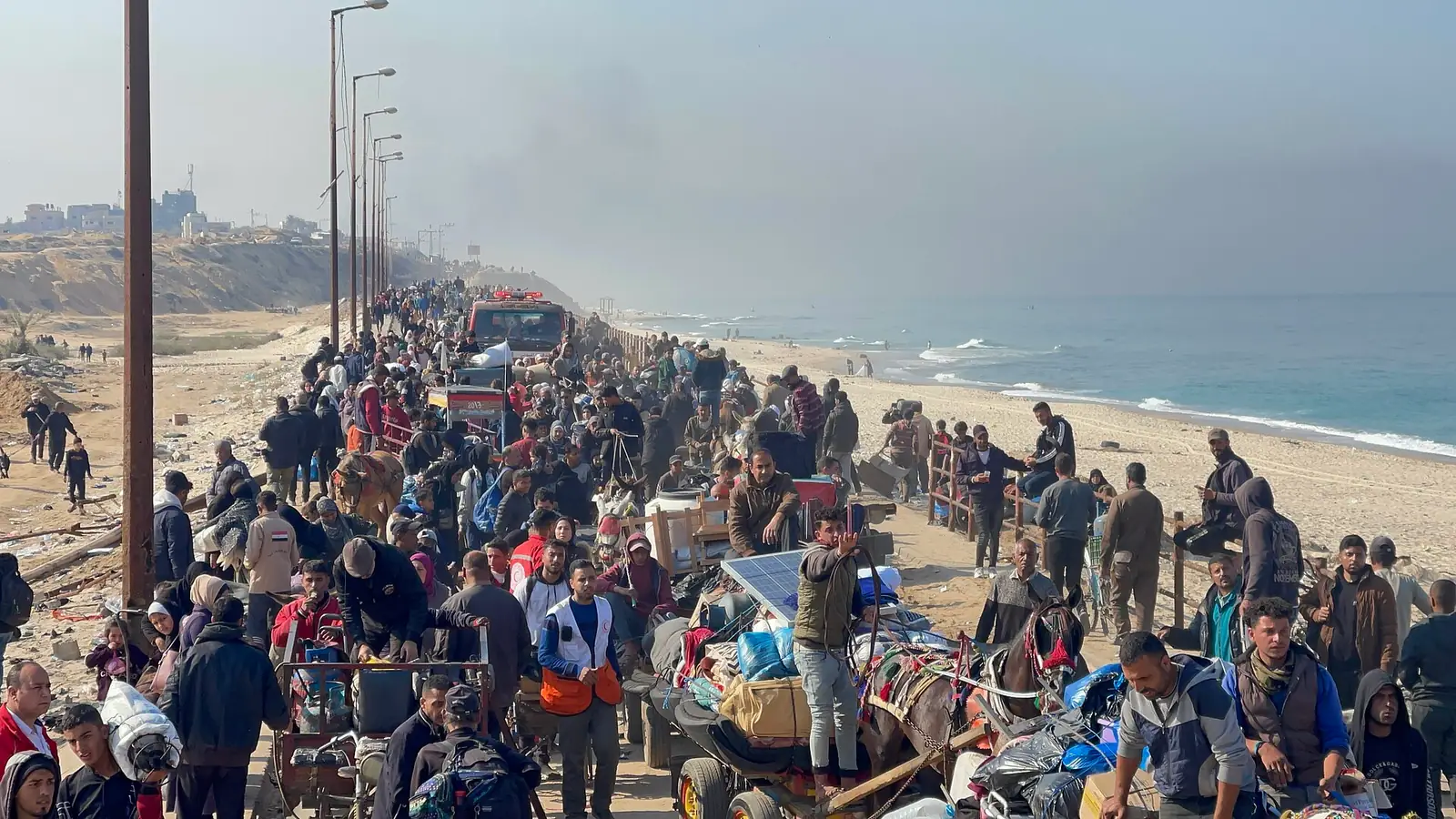
On 10 October 2025, a ceasefire began in Gaza. For families who had survived two years of war, it brought the first chance to stop running. A year later, the bombing has largely stopped, but the emergency has not ended. Here is what the latest UN reporting shows.
Most of Gaza still lies in ruins
According to the UN’s humanitarian office, OCHA, 81% of structures in Gaza are damaged. Hundreds of thousands of people remain displaced. Many returned to their neighbourhoods to find nothing left to return to, and now live in tents, in the shells of damaged buildings, or in crowded sites that flood when it rains.
OCHA estimates that more than 13% of the population lives in flood-prone displacement sites or unsafe buildings. Since the ceasefire, more than 100,000 tents have entered Gaza through UN coordination and donations. They save lives, but a tent is not a home, especially in winter.
People are still being killed
The ceasefire has not meant safety for everyone. The Gaza Ministry of Health reports that more than 1,400 people have been killed and over 5,000 injured since it began. In just one week at the end of September 2026, it reported 29 deaths.
Hunger has eased, but not ended
In August 2025, the IPC, the global system that classifies hunger, confirmed famine in Gaza Governorate. It was the first famine ever confirmed in the Middle East.
More food has entered since the ceasefire, and conditions have improved. But the IPC’s July 2026 analysis found that 59% of Gaza’s population, about 1.2 million people, still face crisis-level food insecurity or worse, and warned that Gaza remains at risk of famine again.
Funding is now a serious threat. From October 2026, OCHA’s food security partners warn that a lack of money will significantly reduce the number of hot meals cooked each day and the food parcels handed out each month.
Water, fuel and repairs are still restricted
Rebuilding a water system needs fuel, engine oil, spare parts and heavy equipment. OCHA reports that restrictions on bringing in these items, combined with funding shortfalls, are reducing water desalination in southern Gaza. Without clean water, the risk of disease rises, especially for young children.
Winter is the next danger
OCHA has reported children dying from hypothermia in the tent camps. Now families are again preparing to face the cold and rain under canvas. UNICEF has begun handing out winter clothing, hygiene kits and tarpaulins, but needs far outstrip supplies.
What the UN is asking for
The UN’s 2026 Flash Appeal for the Occupied Palestinian Territory seeks just over $4 billion to help 3.6 million people in Gaza and the West Bank. Like most humanitarian appeals this year, it is far from fully funded.
How you can help
Organisations with teams already inside Gaza can act fastest:
- UNRWA runs the largest network of shelters, clinics and food distribution in Gaza.
- Palestine Children’s Relief Fund provides medical care for injured and sick children.
- Medical Aid for Palestinians keeps hospitals supplied with medicines and equipment.
You can find all of them, and more, on our Gaza briefing. If you cannot give right now, sharing this article helps too.