Who are the Rohingya, and why are a million of them living in camps?
A stateless people driven from Myanmar, the Rohingya now depend on shrinking aid in Bangladesh. A short guide to how it happened and what they need.
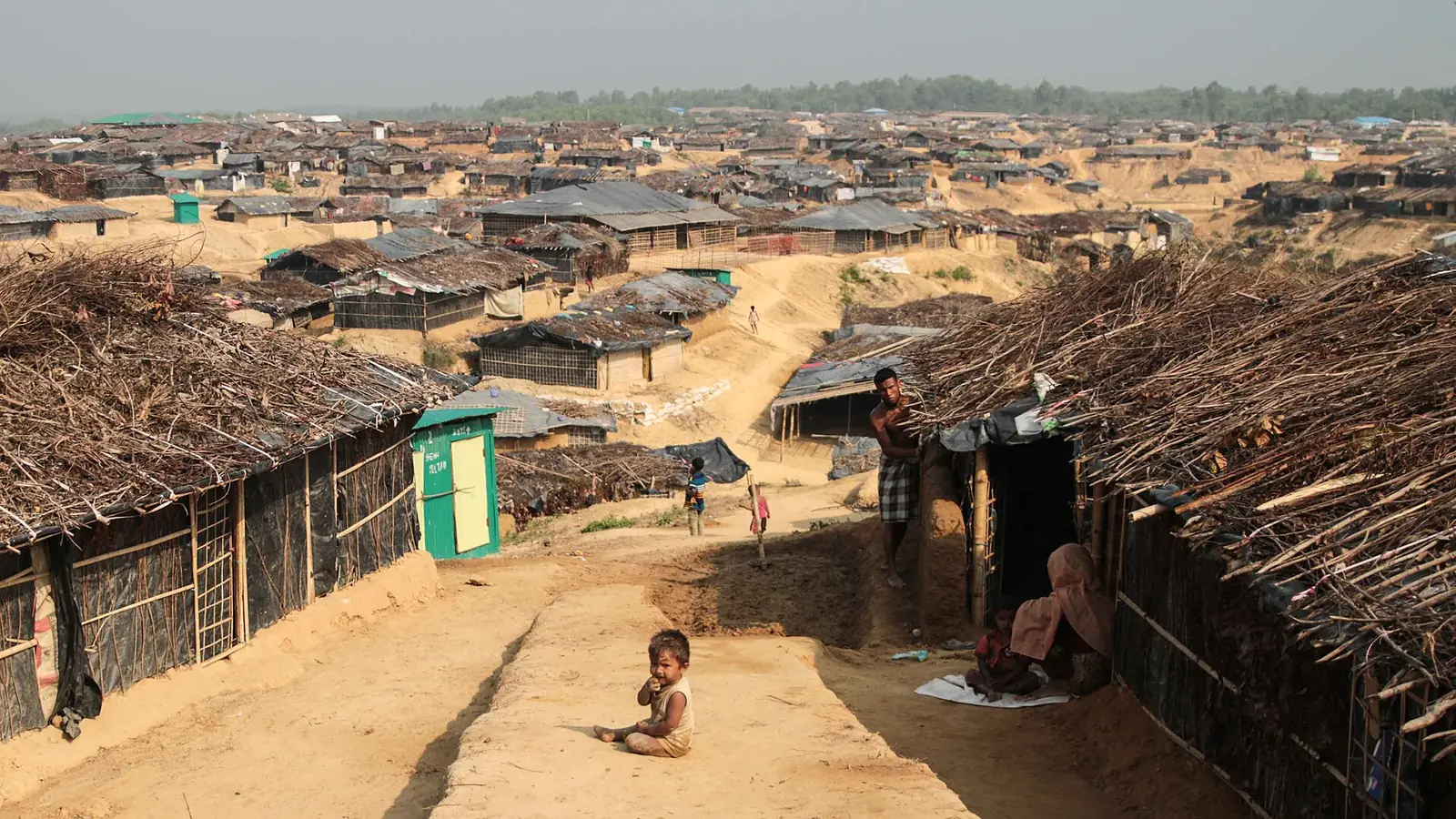
Around 1.2 million Rohingya refugees live in Bangladesh, most of them in the camps of Cox’s Bazar, among the largest and most crowded refugee settlements in the world. Here is how they came to be there.
A people without a country
The Rohingya are a mostly Muslim ethnic minority from Rakhine State in western Myanmar. They have lived there for generations, but Myanmar’s 1982 citizenship law does not recognise them as one of the country’s ethnic groups. As a result, most Rohingya are effectively stateless: they have no citizenship anywhere, which limits their freedom to move, work, study and access health care.
Over the decades, waves of violence and discrimination drove many to flee.
August 2017
In August 2017, Myanmar’s military launched what it called “clearance operations” in Rakhine State. Villages were burned and many people were killed. More than 700,000 Rohingya fled into Bangladesh within months, one of the fastest refugee movements in recent history.
In 2019, The Gambia brought a case against Myanmar at the International Court of Justice under the Genocide Convention. The case is ongoing.
Life in the camps
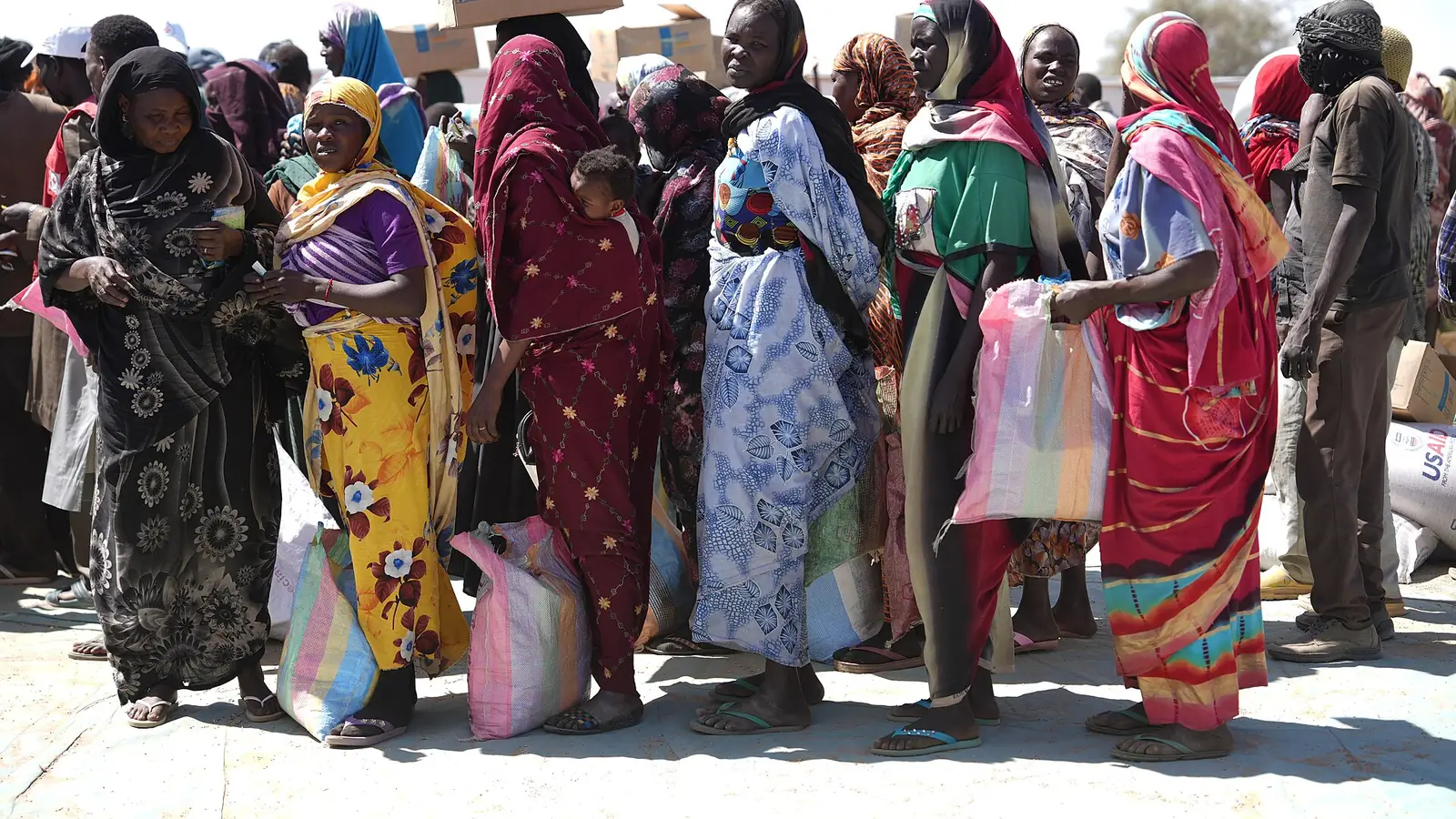
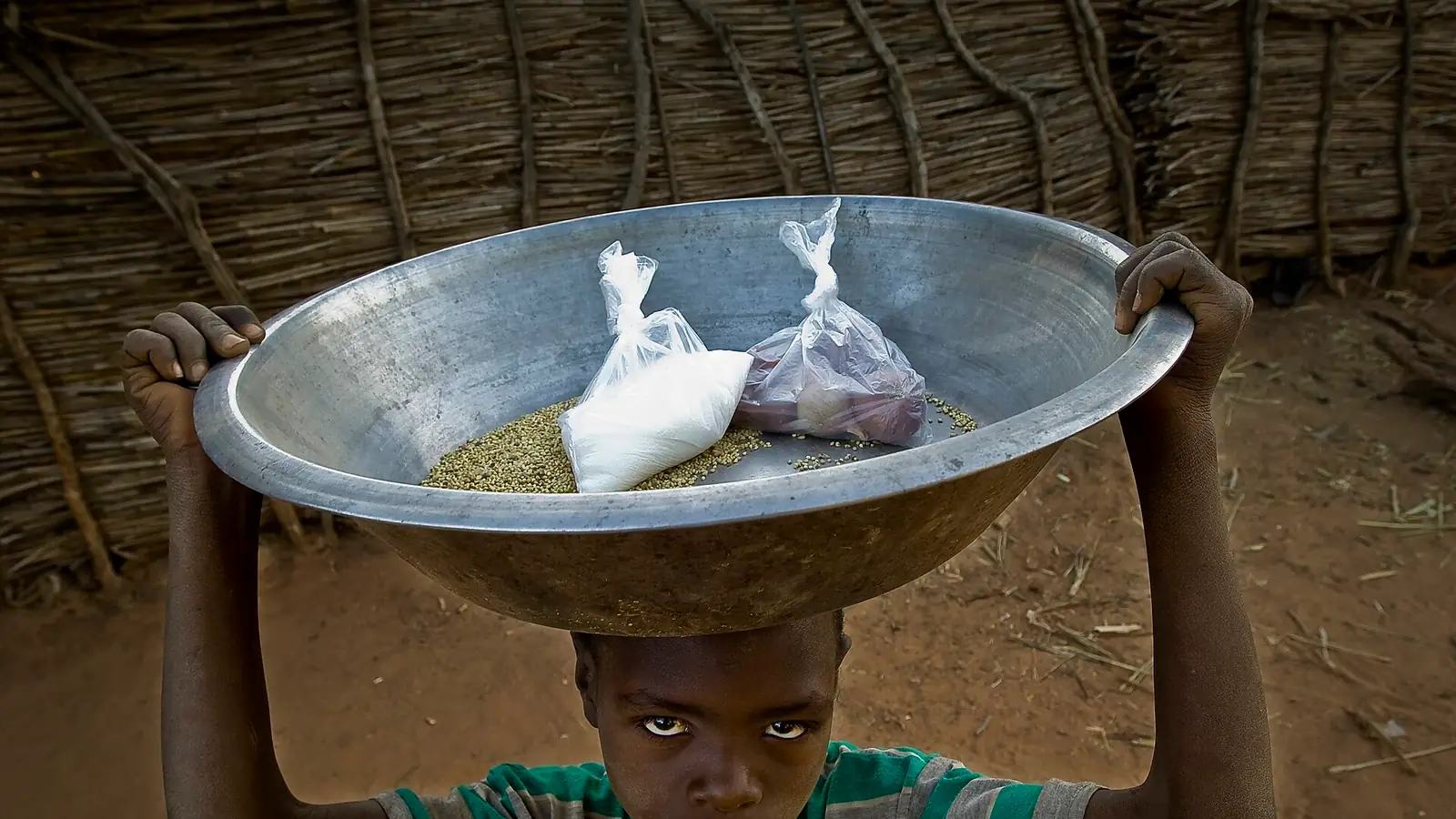
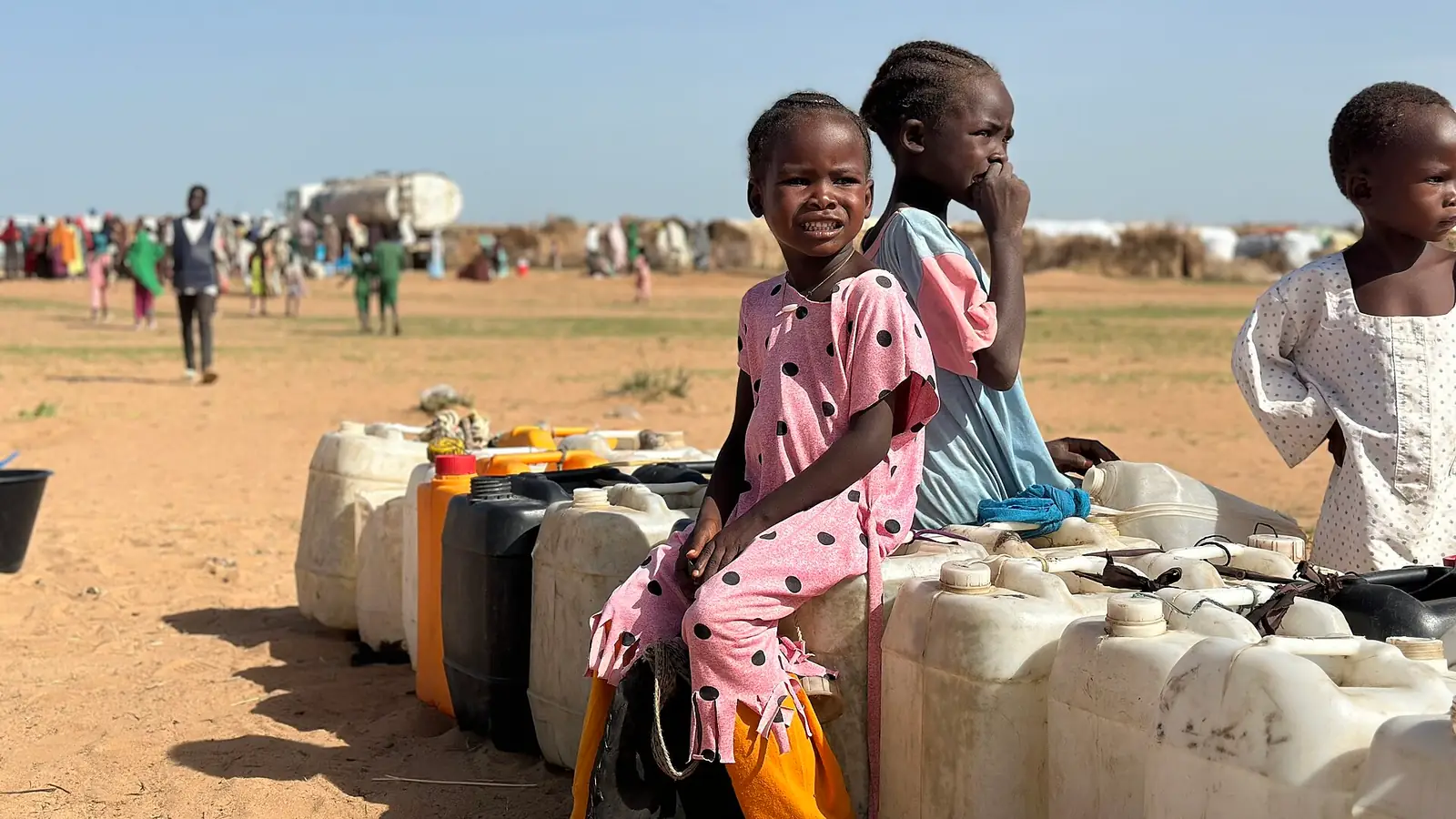
Kutupalong and the surrounding camps are made of bamboo and tarpaulin shelters packed tightly across hills. Families depend almost entirely on aid for food, water and health care. Refugees have very limited rights to work or to leave the camps, and about half of the refugees are children, many born in the camps and knowing no other home.
Monsoon rains bring landslides and floods. Fires spread quickly through crowded shelters. Overcrowding and shortages increase risks of violence, trafficking and early marriage.
A crisis that is growing, not ending
In February 2021, Myanmar’s military seized power in a coup, and fighting has since spread across the country, including Rakhine State. About 150,000 more Rohingya have arrived in Bangladesh since 2024, according to UNHCR.
At the same time, funding is falling. Aid cuts in 2025 and 2026 forced many health clinics in the camps to close. The 2026 joint UN appeal was cut back to the minimum needed to sustain life-saving help, and UNHCR’s own Bangladesh operation was only 45% funded at the end of August 2026.
Why can’t they go home?
Return must be safe, voluntary and dignified, and those conditions do not exist: fighting continues in Rakhine, and the Rohingya’s citizenship and rights are still not recognised.
How you can help
- UNHCR leads the refugee response and provides shelter and protection.
- BRAC runs health, water and learning services in the camps.
- Doctors Without Borders (MSF) runs hospitals for refugees.
All of them are on our Rohingya briefing.